

- 2025-01-10 12:00:00
- admin
How to Choose the Right Wire to Wire Connector for Your Application
A comprehensive guide to selecting reliable connectivity solutions for modern electronic systems with JVT Connectors.
The Crucial Role of Connection Integrity
In the intricate world of electronics and electrical engineering, the stability of a system often hinges on the smallest components. Among these, the Wire to Wire Connector stands as a fundamental building block, providing the bridge that allows power and signals to flow seamlessly between discrete wiring sections. Whether you are designing a complex automotive harness, a modular industrial control panel, or a compact consumer appliance, choosing the correct connector is not merely a technical choice but a strategic one. A failure in a connection can lead to system downtime, safety hazards, and significant financial losses. Therefore, understanding the nuances of how these connectors function and how to evaluate their specifications is essential for any engineer or procurement specialist.
At JVT Connectors, we have spent decades refining our manufacturing processes to produce connectivity solutions that withstand the test of time. A high-quality Wire to Wire Connector must balance physical durability with electrical precision. It needs to maintain low contact resistance while resisting environmental stressors such as vibration, moisture, and thermal cycling. This guide will walk you through the essential parameters for selection, ensuring that your final application remains robust and reliable under all operating conditions. We will dive deep into pitch specifications, housing materials, and locking mechanisms to provide you with a clear roadmap for your next project.
Analyzing Pitch and Spatial Constraints
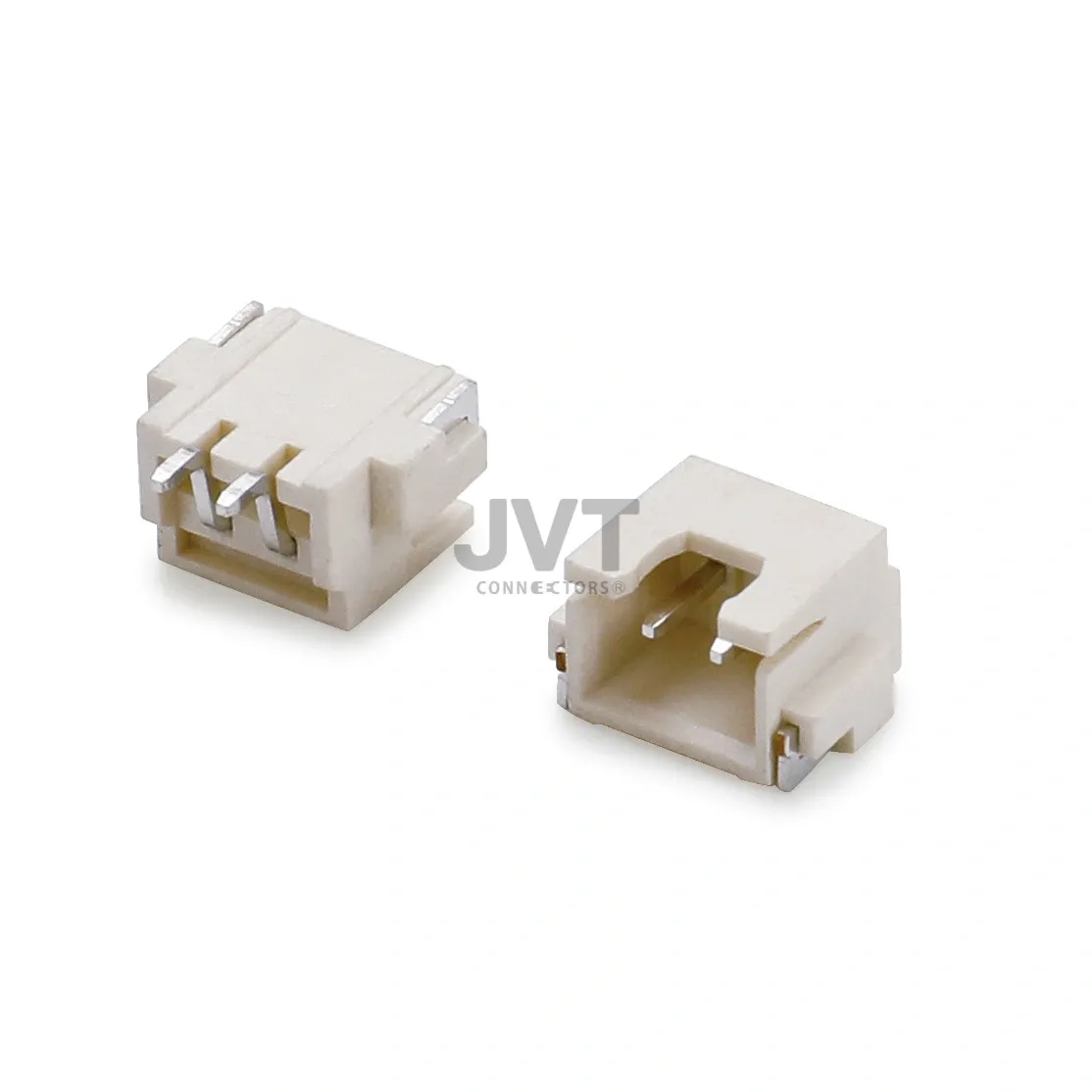
One of the first technical hurdles in selecting a Wire to Wire Connector is determining the appropriate pitch. The pitch, defined as the distance between the centers of two adjacent contacts, directly dictates the overall size of the connector and its ability to handle specific current levels. For miniaturized devices like smart home sensors or medical handhelds, small pitch connectors such as the 1.00mm or 1.25mm series are often preferred. These compact solutions allow for high-density wiring without sacrificing the mechanical integrity of the housing. For instance, our JVT1222 series offers exceptional performance for those facing severe space limitations.
Conversely, in industrial power distribution or white goods, a larger pitch like 3.96mm, 4.20mm, or even 6.35mm is standard. Larger pitches allow for thicker gauge wires and provide better insulation between contacts, which is critical for preventing electrical arcing in high-voltage applications. When evaluating spatial constraints, it is also important to consider the "stacking height" and the clearance required for the mating and unmating process. A well-designed Wire to Wire Connector system should not only fit within the designated area but also be accessible for maintenance personnel. By balancing the need for miniaturization with the physical realities of the wiring environment, you can ensure a safer and more efficient assembly process.
Beyond just the linear pitch, the number of circuits (or pin count) plays a vital role. Multi-row configurations can help reduce the footprint of a high-pin-count connection. However, as the density increases, so does the risk of signal interference and thermal buildup. It is vital to consult with a manufacturer like JVT to determine if your chosen pitch can safely dissipate the heat generated by the current passing through each individual wire. Our 4.20mm pitch series, found at Wire to Wire Crimp Style 4.20mm, is specifically engineered for these high-demand scenarios, providing a perfect balance of size and power capacity.
Electrical Performance and Load Capacity
The primary function of any Wire to Wire Connector is to transmit electrical energy reliably. Therefore, the electrical specifications—specifically current rating, voltage rating, and contact resistance—must be the cornerstone of your selection process. The current rating is determined by the contact material, the wire gauge, and the ambient temperature of the environment. If a connector is rated for 5A, using it at its limit in a high-temperature environment may lead to material degradation and eventual failure. At JVT Connectors, we use high-conductivity copper alloys and specialized plating such as tin or gold to ensure that signal loss is minimized and current flow remains stable even over thousands of mating cycles.
Voltage ratings are equally critical, especially in applications involving power supplies or electric motors. The insulation material of the housing must be able to withstand the potential difference between contacts without breaking down. We utilize UL-certified plastics like PA66 and LCP, which provide excellent dielectric strength and flame retardancy. When selecting your Wire to Wire Connector, always look for the Dielectric Withstanding Voltage (DWV) specification to ensure the product can handle unexpected surges. For high-voltage industrial needs, our 6.35mm pitch solutions, such as the JVT6350 series, offer the robust insulation required for heavy-duty machinery.
Another often-overlooked factor is the crimp quality. A Wire to Wire Connector is only as good as the interface between the wire and the terminal. Crimp-style connectors provide a gas-tight connection that prevents oxidation and maintains low contact resistance. This mechanical bond is superior to soldering in many high-vibration environments, such as automotive or aerospace applications. JVT provides precisely engineered crimp terminals and matching housing units that ensure a perfect fit every time. By investing in high-quality terminals, you reduce the risk of "hot spots" within the connector, which are a leading cause of fires in electrical systems.
Environmental Resilience and Material Selection
Connectors rarely operate in a vacuum; they are subject to the harsh realities of their surroundings. Moisture, dust, chemical exposure, and extreme temperatures can all compromise the integrity of a Wire to Wire Connector. For outdoor or marine applications, a waterproof solution is mandatory. This involves the use of silicone seals and specialized housing designs that achieve IP67 or IP68 ratings. Even if your application is indoors, humidity and salt spray can cause corrosion on metal contacts, leading to intermittent signal failures. This is why JVT offers various plating options—gold plating for critical low-voltage signals and tin plating for general-purpose power connections.
Temperature fluctuations can cause materials to expand and contract at different rates. If the plastic housing and the metal terminals do not have compatible thermal properties, the connection can loosen over time. Our connectors are tested to perform in ranges from -25°C to +85°C (and higher for specialized series), ensuring reliability in everything from refrigerated units to engine compartments. Furthermore, mechanical stress such as vibration can cause "fretting corrosion." To combat this, a high-quality Wire to Wire Connector should feature a robust locking mechanism—either an active latch or a friction lock—to keep the halves securely mated regardless of external movement.
Safety standards and compliance are the final layers of environmental protection. In the modern global market, components must meet RoHS, REACH, and UL standards to be sold and used in high-end electronics. JVT Connectors is committed to environmental stewardship, ensuring that our products are free from hazardous substances while maintaining the highest performance standards. Whether you are looking for localized substitution of imported brands or a custom solution for a new product, our team focuses on material science to provide connectors that are as safe as they are durable. Explore our full range of compliant products at JVT Product Catalog.
Why JVT Connectors is Your Premier Partner
Choosing JVT Connectors means more than just buying a component; it means gaining a partner dedicated to your project's success. As a leading manufacturer in China with a global reach, we specialize in providing high-precision connectivity solutions that serve as reliable alternatives to international brands. Our Wire to Wire Connector lineup is extensive, covering pitches from the micro-miniature 0.60mm to the heavy-duty 6.35mm. This diversity ensures that regardless of your industry—be it automotive, new energy, medical, or consumer electronics—we have a solution that fits your specific needs perfectly.
Our core strength lies in our ability to customize. We understand that standard off-the-shelf parts do not always meet the unique requirements of cutting-edge technology. Our engineering team works closely with clients to develop custom housings, specialized terminal platings, and unique locking configurations. Furthermore, our commitment to quality is backed by advanced testing facilities that simulate real-world stress conditions. From salt spray testing to vibration analysis, we ensure every Wire to Wire Connector leaving our factory is ready for the challenges of the field. For more information about our capabilities and mission, please visit our About Us page.
In an era of supply chain uncertainty, JVT offers a stable and efficient manufacturing source. We pride ourselves on short lead times and competitive pricing without ever compromising on the technical excellence our customers expect. By integrating JVT products into your design, you benefit from a supply chain that is both resilient and innovative. If you are ready to elevate your project with the best connectivity solutions on the market, do not hesitate to Contact Our Technical Team today for a consultation and samples.
Frequently Asked Questions
Q1: How do I determine the current rating for a Wire to Wire Connector?
The current rating is determined by the terminal material, the gauge of the wire attached, and the number of circuits. It is essential to check the derating curve provided in the datasheet, as the capacity decreases as the ambient temperature rises or when more circuits are bundled together.
Q2: What is the benefit of a locking mechanism in a Wire to Wire Connector?
A locking mechanism, such as a positive latch, prevents accidental disconnection due to external forces or vibration. This is critical in automotive and industrial environments where consistent connectivity is required for safety and operational continuity.
Q3: Can a Wire to Wire Connector be used in wet or outdoor environments?
Yes, but you must select a version specifically designed for environmental sealing. Look for connectors with silicone seals and gaskets that have an IP rating (e.g., IP67). JVT offers several waterproof series designed specifically for these challenging conditions.
Q4: What are the common pitch sizes for a Wire to Wire Connector?
Common pitch sizes range from 1.00mm and 1.25mm for small electronics to 2.00mm, 2.50mm, 3.00mm, 4.20mm, and 6.35mm for power applications. The choice depends on the space available and the voltage/current requirements of the circuit.
Q5: How does JVT ensure the quality of its Wire to Wire Connector products?
JVT implements rigorous quality control through every stage of production, from raw material inspection to automated final testing. We utilize precision molding, advanced plating techniques, and comprehensive mechanical testing (vibration, thermal shock, etc.) to ensure global reliability.
Ready to optimize your connection systems?
Browse Our Full Range