

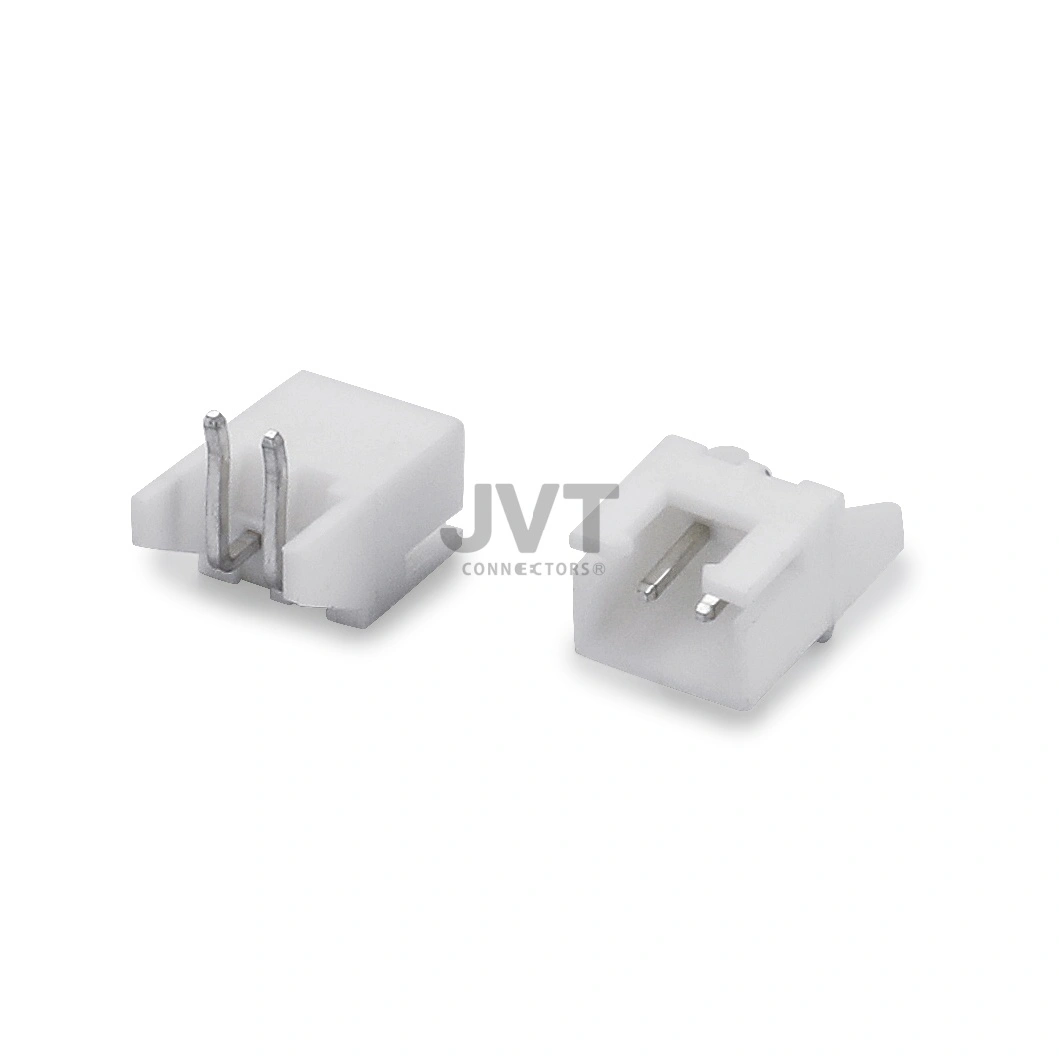
Wire to Wire Connector Standards and Certifications Explained
In the complex landscape of modern electrical engineering, the reliability of a Wire to Wire Connector is not merely a preference but a critical safety requirement. These components serve as the central nervous system for countless applications, ranging from automotive wire harnesses and industrial machinery to high-end consumer electronics. Ensuring that these connectors meet rigorous international standards and certifications is paramount for manufacturers like JVT Connectors to guarantee long-term performance, safety, and compatibility.
When we discuss a Wire to Wire Connector, we are referring to a sophisticated interconnect system designed to join two wire-terminated circuits securely. Without strict adherence to global benchmarks such as UL, TUV, RoHS, and REACH, these systems risk electrical failure, fire hazards, and environmental non-compliance. This comprehensive guide delves deep into the standardizations that govern the manufacturing and selection of a high-quality Wire to Wire Connector, highlighting how JVT Connectors leads the industry in providing certified, high-performance solutions.
Global Safety Standards and UL Recognition
The most recognized benchmark for any Wire to Wire Connector is the Underwriters Laboratories (UL) certification. UL standards, such as UL 1977 for data, signal, control, and power applications, provide a rigorous framework for evaluating the electrical and mechanical safety of interconnects. For a Wire to Wire Connector, being "UL Recognized" means the components have undergone extensive testing for dielectric voltage-withstand, terminal retention, and current-carrying capacity under specific temperature rises.
At JVT Connectors, we prioritize these safety metrics across our entire product range. Whether it is a small 1.25mm pitch connector for handheld devices or a heavy-duty 6.35mm pitch system for industrial power, the housing materials must meet UL94V-0 or UL94V-2 flammability ratings. This ensures that in the event of an electrical fault, the Wire to Wire Connector will self-extinguish, preventing the spread of fire within the equipment. Furthermore, CSA (Canadian Standards Association) and TUV certifications often complement UL ratings, providing global market access and confirming that the Wire to Wire Connector meets European and North American safety mandates.
Safety standards also dictate the "creepage and clearance" distances within a Wire to Wire Connector. Creepage is the shortest path along the surface of an insulating material between two conductive parts, while clearance is the shortest distance through the air. These distances are vital in high-voltage applications to prevent arcing and tracking. By engineering our connectors to meet these specific safety geometry requirements, JVT Connectors ensures that every Wire to Wire Connector we produce is robust enough for the most demanding environments.
Environmental Compliance: RoHS and REACH
Modern manufacturing is no longer just about performance; it is about environmental responsibility. Every Wire to Wire Connector manufactured today must comply with the Restriction of Hazardous Substances (RoHS) directive. This regulation limits the use of specific hazardous materials such as lead, mercury, cadmium, and hexavalent chromium in electrical and electronic equipment. A compliant Wire to Wire Connector ensures that end-products can be sold in the European Union and other regions with similar green initiatives.
JVT Connectors takes environmental stewardship seriously. Our manufacturing processes utilize lead-free plating techniques for terminals and halogen-free resins for housings. This commitment extends to the REACH (Registration, Evaluation, Authorisation and Restriction of Chemicals) regulation, which addresses the production and use of chemical substances and their potential impacts on both human health and the environment. By ensuring that our Wire to Wire Connector solutions are REACH-compliant, we provide our clients with peace of mind that their supply chain is free from Substances of Very High Concern (SVHC).
The materials used in a Wire to Wire Connector also impact its recyclability and end-of-life disposal. High-quality thermoplastics like Nylon 66, LCP (Liquid Crystal Polymer), and PBT (Polybutylene Terephthalate) are selected not only for their thermal stability but also for their ability to be processed cleanly. When choosing a Wire to Wire Connector from JVT Connectors, you are choosing a component that respects global ecological standards without sacrificing mechanical strength or electrical conductivity.
The Engineering of Pitch and Mechanical Integrity
The "pitch" of a Wire to Wire Connector—the distance between the centers of adjacent contacts—is a fundamental standard that defines its application. Common pitches include 1.25mm, 2.00mm, 2.50mm, 3.00mm, 4.20mm, and 6.35mm. Each pitch is governed by mechanical standards that ensure interchangeability and reliable mating. For example, a 4.20mm pitch Wire to Wire Connector is often designed for higher current loads (up to 9A per circuit), requiring larger terminals and more robust locking mechanisms to prevent accidental disconnection.
Mechanical standards also cover "Insertion Force" and "Withdrawal Force." A high-quality Wire to Wire Connector must be easy enough for assembly line workers to connect while being secure enough to withstand vibration and mechanical shock. JVT Connectors employs advanced crimp technology and terminal design to ensure a "positive lock" system. This tactile and audible "click" informs the technician that the Wire to Wire Connector is fully seated, a critical feature in automotive and industrial sectors where failure due to loose connections is not an option.
Furthermore, terminal plating standards (Gold vs. Tin) are essential considerations. While tin is cost-effective for static applications, gold plating is the standard for a Wire to Wire Connector used in low-voltage signal transmission or harsh environments where corrosion resistance is vital. JVT Connectors offers various plating thicknesses to meet specific industry life-cycle standards, ensuring that whether the application requires 30 or 500 mating cycles, the electrical contact remains pristine.
Industry-Specific Certifications: Automotive and Beyond
Certain industries require even more stringent certifications for a Wire to Wire Connector. In the automotive world, the IATF 16949 quality management system is the gold standard. This certification focuses on defect prevention and the reduction of variation and waste in the supply chain. A Wire to Wire Connector used in a vehicle's Engine Control Unit (ECU) or lighting system must also undergo rigorous vibration testing (USCAR-2) to ensure it can survive thousands of miles of road use without signal degradation.
In the medical field, a Wire to Wire Connector may need to meet biocompatibility standards or be resistant to sterilization chemicals. For home appliances, the IEC 60335-1 (Glow Wire Test) is a critical safety standard that ensures the plastic housing won't ignite if a nearby component overheats. JVT Connectors works closely with engineers to provide a Wire to Wire Connector that meets these specific niche requirements. Our 1.25mm and 2.00mm pitch series are particularly popular in consumer electronics where miniaturization and high-density connectivity are required.
By understanding the unique regulatory hurdles of each industry, JVT Connectors positions itself as more than just a supplier; we are a strategic partner. We offer localized substitution for high-end imported brands, providing a Wire to Wire Connector that meets identical or superior certification standards at a more competitive price point. This allows global manufacturers to maintain high quality while optimizing their production costs.
Why Choose JVT Connectors for Your Certified Solutions
JVT Connectors (Dongguan Qiaoye Electronics Co., Ltd.) has established itself as a premier manufacturer specializing in the research, development, and production of precision connectors. Our expertise in the Wire to Wire Connector category is backed by a state-of-the-art facility equipped with automated assembly lines and rigorous in-house testing labs. We don't just follow standards; we help define excellence in the interconnect industry.
Our competitive advantage lies in our comprehensive product portfolio. From our Wire to Wire Crimp Style Series to our specialized Wire to Board solutions, every product is engineered for reliability. We provide extensive documentation, including 2D/3D drawings and material certifications, ensuring that your engineering team can integrate a JVT Wire to Wire Connector into your design with absolute confidence.
Beyond technical specifications, JVT Connectors offers unparalleled flexibility. We provide ODM and OEM services, allowing for the customization of a Wire to Wire Connector to meet specific pitch, pin count, or housing requirements. With our focus on "Quality First, Customer Foremost," we have become a trusted partner for global brands seeking a reliable connector manufacturer in China. Our commitment to innovation ensures that we stay ahead of emerging standards in sectors like New Energy and Smart Home technology.
Frequently Asked Questions
Q1: What are the primary certifications I should look for in a Wire to Wire Connector?
The most critical certifications include UL for safety, RoHS for environmental compliance, and REACH for chemical safety. Depending on your industry, IATF 16949 (Automotive) or IEC 60335 (Appliances) may also be necessary for a Wire to Wire Connector to be considered suitable for your application.
Q2: How does the pitch of a Wire to Wire Connector affect its voltage rating?
Generally, a larger pitch (like 4.20mm or 6.35mm) allows for greater clearance and creepage distances, which in turn permits a higher voltage rating for the Wire to Wire Connector. Smaller pitches are designed for signal and low-voltage power where space saving is prioritized.
Q3: Can a JVT Wire to Wire Connector replace major international brands?
Yes. JVT Connectors specializes in providing localized, high-quality alternatives to brands like Molex, JST, and TE Connectivity. Our Wire to Wire Connector series often features compatible footprints and identical performance specifications, facilitating seamless substitution.
Q4: Why is the flammability rating important for a Wire to Wire Connector housing?
The flammability rating (such as UL94V-0) ensures that the plastic housing of a Wire to Wire Connector will not sustain a flame in the event of an electrical short or external heat source. This is a vital safety standard for preventing fires in electronics and household appliances.
Q5: Does JVT Connectors provide custom Wire to Wire Connector solutions?
Absolutely. JVT Connectors offers robust ODM and OEM capabilities to design and manufacture a custom Wire to Wire Connector that meets unique pitch, current, or environmental requirements, all while adhering to global certification standards.
Final Thoughts
Navigating the world of standards and certifications for a Wire to Wire Connector can be daunting, but it is essential for product success and safety. By partnering with an experienced manufacturer like JVT Connectors, you gain access to high-performance, certified interconnect solutions that meet the demands of a global market. From material purity to mechanical precision, every detail of our connectors is designed to perform when it matters most.
JVT Connectors is a leading professional manufacturer of electronic connectors. Our products are widely used in household appliances, computers, automotive, and smart manufacturing.