

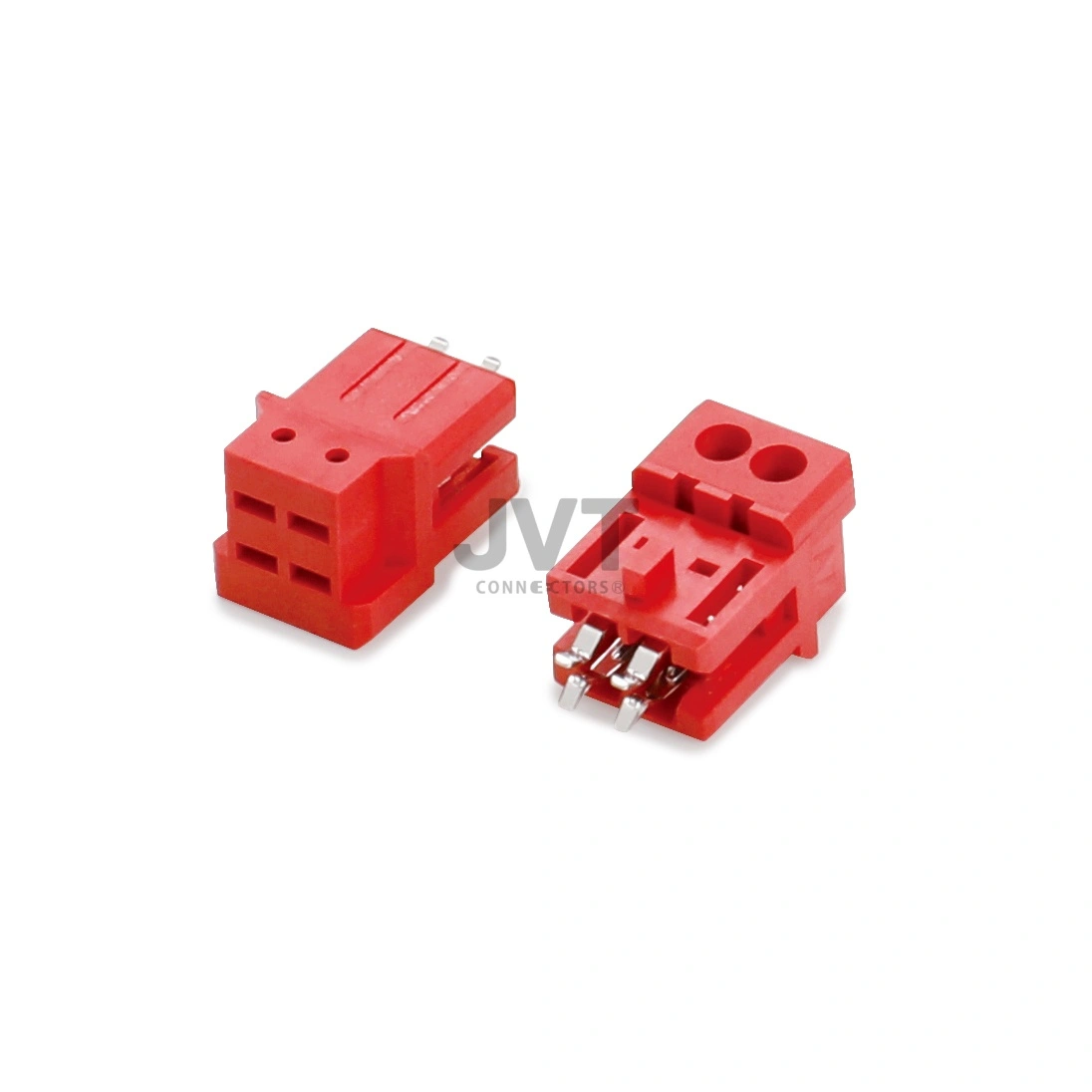
What Is an IDC Connector and How Does It Work
In the complex world of electronic manufacturing and industrial design, efficiency and reliability are the cornerstones of success. Among the various interconnect solutions available, the IDC Connector, which stands for Insulation Displacement Connector, has revolutionized how we handle cable-to-board and cable-to-cable terminations. This technology was originally developed to eliminate the time-consuming and often error-prone process of stripping individual wires before connecting them to a terminal. Instead of removing the protective insulation layer, the IDC Connector utilizes a unique mechanical process to pierce through the jacket and establish a secure, gas-tight electrical path with the internal conductor.
As modern devices become increasingly miniaturized and production lines move toward full automation, the demand for high-speed, high-density connectivity has never been higher. JVT Connectors has stayed at the forefront of this evolution, providing precision-engineered solutions that cater to the automotive, medical, and consumer electronics sectors. Understanding how an IDC Connector operates is not just a matter of technical curiosity; it is essential for engineers and procurement specialists who aim to reduce assembly costs while maximizing the long-term durability of their products. This guide provides a comprehensive analysis of the mechanics, benefits, and strategic applications of this vital component.
The Engineering Principles of Insulation Displacement
The core mechanism of an IDC Connector lies in its terminal design, which usually features one or more sharpened blades or V-shaped tines. When a ribbon cable or a discrete wire is pressed into the connector slot, these blades cut through the outer insulation material. As the conductor is forced further into the slot, the blades exert a high degree of lateral pressure, slightly deforming the wire to create a cold-weld-like connection. This process is known as insulation displacement because the insulating plastic is literally pushed aside rather than removed.
One of the most critical aspects of this engineering feat is the creation of a gas-tight interface. By maintaining constant spring-like pressure on the conductor, the IDC Connector prevents oxygen and other corrosive elements from entering the contact area. This eliminates the risk of oxidation, which is a primary cause of increased electrical resistance and eventual circuit failure. Furthermore, the specialized alloys used in JVT Connectors ensure that the mechanical tension remains consistent throughout the lifespan of the device, even under conditions of thermal expansion or mechanical vibration. This reliability is why IDC technology is preferred in high-vibration environments like automotive engine compartments and industrial robotics.
Component Breakdown: Housing and Contact Materials
A high-quality IDC Connector is composed of two primary elements: the plastic housing and the metallic contacts. The housing is typically made from high-performance thermoplastics like PBT (Polybutylene Terephthalate) or Nylon, which offer excellent dielectric strength and resistance to high temperatures. These materials are chosen because they must maintain their structural integrity during the crimping process when significant force is applied to the wires. At JVT Connectors, we ensure that our housings are designed with precision-molded lead-ins to guide wires accurately into their respective slots, reducing the chance of misalignment during mass assembly.
The metallic contacts are where the magic happens. Most IDC systems use phosphor bronze or copper alloys due to their superior elasticity and conductivity. To further enhance performance, these contacts are often plated with tin or gold. Gold plating is frequently used in high-end applications where signal integrity is paramount, as it provides the highest level of corrosion resistance. The geometry of the contact is also optimized for specific wire gauges. Whether dealing with a fine-pitch 1.27mm ribbon cable or a more robust power wire, the IDC Connector must be matched precisely to the wire diameter to ensure that the blades cut deep enough to reach the core without severing the strands.
Industrial Advantages of the IDC Connector
The most significant advantage of implementing an IDC Connector in your design is the drastic reduction in labor costs. Traditional crimp-and-poke methods require each wire to be stripped, crimped with a terminal, and then inserted into a housing. With IDC technology, multiple wires can be terminated simultaneously using a simple press tool. This mass termination capability makes it the ideal choice for ribbon cables used in data transmission, where dozens of conductors must be connected at once. By streamlining this process, manufacturers can significantly increase their throughput and reduce the overhead associated with manual labor.
Beyond speed, the IDC Connector offers unparalleled consistency. Because the termination is governed by the mechanical design of the connector and the application tool, the "human factor" is largely removed. This results in a much lower rate of manufacturing defects compared to manual soldering or stripping. Additionally, IDC systems are inherently more compact than many other connector types. The ability to terminate wires in a very small footprint allows for higher circuit density on PCBs, supporting the industry trend toward thinner and lighter electronic devices. For companies looking to optimize their supply chain and production efficiency, the transition to IDC-based designs is a logical and profitable step.
Why JVT Connectors Is Your Strategic Partner
Selecting the right IDC Connector is not just about picking a part from a catalog; it is about choosing a manufacturing partner that understands the nuances of signal integrity and mechanical endurance. JVT Connectors has spent years perfecting our production processes to ensure every component meeting international standards for quality and safety. Our state-of-the-art facility in China utilizes automated optical inspection (AOI) to verify the precision of every terminal blade, ensuring that our clients receive zero-defect batches every time.
We offer a wide range of pitch sizes and configurations to meet diverse application needs. For instance, our IDC Connector Series includes options for various wire-to-board requirements, providing flexible solutions for everything from household appliances to complex medical diagnostic equipment. Our advantages include rapid prototyping, competitive lead times, and a dedicated engineering team ready to assist with custom design challenges. If you are looking for a reliable, cost-effective, and high-performance connector solution, we invite you to contact our technical team today to discuss your specific requirements.
Best Practices for IDC Connector Installation
To achieve the best results with an IDC Connector, proper installation techniques must be followed. The most important factor is the use of the correct application tooling. While some small IDC components can be terminated with hand tools, high-volume production typically requires pneumatic or electric presses to ensure uniform force across all contacts. If the pressure is uneven, some wires may not be fully seated, leading to intermittent connections or high resistance. At JVT Connectors, we provide detailed specifications for the required crimping force and tool settings for all our products.
Alignment is another critical factor. The cable must be cut perfectly square and placed squarely within the connector housing before the press is activated. If the cable is skewed, the IDC blades may miss the conductor core or damage the adjacent wires, leading to short circuits. It is also recommended to use strain relief covers whenever possible. A strain relief component clips over the terminated cable, transferring any pulling or tugging forces to the connector housing rather than the delicate electrical contact points. By implementing these best practices, manufacturers can ensure that their IDC assemblies perform reliably over many years of service.
Frequently Asked Questions
Q1: What are the primary benefits of using an IDC Connector?
The primary benefits include significantly faster assembly times due to mass termination, lower labor costs since wire stripping is unnecessary, and highly reliable, gas-tight connections that resist oxidation and vibration.
Q2: How does an IDC Connector maintain signal integrity?
An IDC Connector maintains signal integrity by creating a constant, high-pressure mechanical bond between the contact and the conductor. This ensures low electrical resistance and prevents environmental contaminants from degrading the contact surface.
Q3: Can an IDC Connector be reused once terminated?
Generally, an IDC Connector is designed for a single permanent termination. While it is sometimes possible to remove a wire, the internal blades may be slightly deformed, which could compromise the reliability of a second connection. For critical applications, always use a new connector.
Q4: What materials are commonly used in a high-quality IDC Connector?
High-quality connectors typically use phosphor bronze or copper alloy for the contacts, often with gold or tin plating. The housings are made from durable engineering plastics like PBT or high-temperature Nylon to withstand industrial environments.
Q5: Why is JVT Connectors the preferred supplier for an IDC Connector?
JVT Connectors offers a combination of precision engineering, rigorous quality control, and extensive industry experience. Our products are designed for maximum durability and are backed by a support team that helps optimize your manufacturing process.
Ready to Optimize Your Connectivity?
Whether you are designing a new consumer gadget or an industrial control system, JVT Connectors has the expertise to help you succeed.