

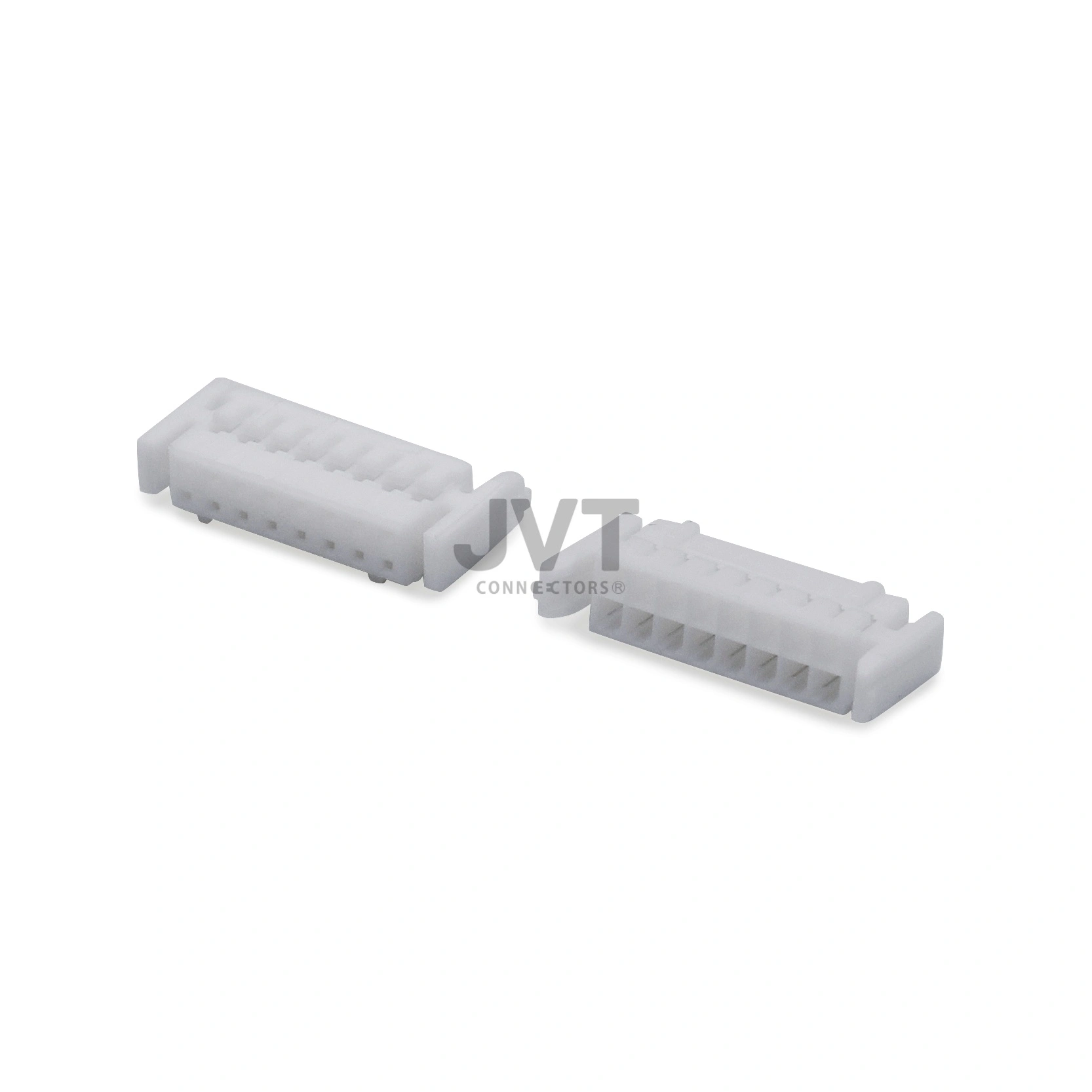
Choosing the Best Wire to Wire Connector for Harsh Environments
The Critical Role of Connectivity in Extreme Conditions
In the modern landscape of industrial automation, automotive electronics, and renewable energy systems, the reliability of electrical interconnections is paramount. When engineers design systems for outdoor or industrial use, they must consider the potential for failure due to environmental stressors. A standard connection might suffice in a controlled office setting, but in a harsh environment, a specialized Wire to wire connector is required to maintain signal integrity and power transmission. These environments often involve exposure to moisture, dust, extreme temperatures, and constant mechanical vibration, all of which can lead to oxidation, short circuits, or physical disconnection.
Selecting the right component is not merely about finding a matching pitch or pin count. It involves a deep understanding of material science, sealing technologies, and mechanical locking mechanisms. For instance, in electric vehicle (EV) battery management systems, the vibration levels are significantly higher than in stationary equipment. This necessitates a wire to wire connector that features secondary locking systems and high-grade contact plating. JVT Connectors has spent years perfecting these designs to ensure that our partners can deploy their technology in the most demanding settings without fear of catastrophic failure. By prioritizing robust engineering, we help businesses reduce downtime and maintenance costs.
As we delve deeper into the selection process, we will explore the specific technical parameters that define a high-quality connector. From Ingress Protection (IP) ratings to the nuances of terminal crimping, every detail matters. This guide serves as a professional resource for procurement officers and design engineers who are tasked with ensuring their systems remain operational under pressure. The goal is to provide a comprehensive roadmap for navigating the complexities of modern interconnect solutions.
Decoding Environmental Stressors and IP Ratings
The first step in choosing a Wire to wire connector is identifying the specific threats it will face. Harsh environments are categorized by the presence of solid contaminants and liquids. The international standard for this is the IP rating system. An IP67 rating, for example, indicates that the connector is completely protected against dust and can withstand immersion in water up to one meter for 30 minutes. In marine applications or high-pressure wash-down environments like food processing plants, an IP69K rating may be required to withstand high-temperature water jets.
Beyond moisture and dust, thermal cycling is a silent killer of electrical connections. When a device operates in an environment where temperatures fluctuate from sub-zero nights to scorching afternoons, materials expand and contract at different rates. This can lead to stress relaxation in the metal terminals, eventually causing a loss of contact pressure. A high-performance wire to wire connector must utilize housing materials like high-temperature nylon or PBT (Polybutylene Terephthalate) that maintain their structural integrity across a wide thermal range. JVT Connectors ensures that our products undergo rigorous thermal shock testing to simulate years of field use in just a few weeks.
Corrosion is another critical factor, particularly in coastal regions or chemical plants. Salt spray and corrosive gases can penetrate poorly sealed housings, leading to the formation of non-conductive layers on the contact surfaces. To combat this, advanced plating options such as gold or thick tin-lead alternatives are utilized. These platings provide a barrier against chemical attacks, ensuring that the electrical path remains clear. Understanding these stressors allows engineers to specify the exact level of protection needed, balancing cost with long-term durability.
Mechanical Integrity and Locking Mechanisms
In high-vibration applications, such as heavy machinery or aerospace systems, the mechanical stability of the Wire to wire connector is just as important as its electrical properties. Vibration can cause "fretting corrosion," where small, repetitive movements wear away the protective plating on the terminals, leading to intermittent signals. To prevent this, professional-grade connectors utilize high-retention force terminals and positive locking housings. A positive lock produces an audible "click" when the two halves are fully engaged, providing a tactile confirmation for assembly workers.
Terminal Position Assurance (TPA) and Connector Position Assurance (CPA) are two critical design features found in advanced wire to wire connector systems. TPA ensures that the metal terminals are fully seated in the housing during assembly, preventing them from backing out under stress. CPA is an additional latch that locks the primary housing lock in place, ensuring that it cannot be accidentally disengaged. These features are standard in many of our automotive-grade solutions at JVT Connectors, as they significantly reduce the risk of human error during the manufacturing and maintenance phases.
Furthermore, polarization and keying are essential to prevent cross-mating. In complex wiring harnesses with multiple similar-looking connections, polarized housings ensure that only the correct male and female pairs can be joined. This prevents electrical damage caused by incorrect circuit routing. The physical design of the connector must also account for ease of use. Ergonomic shapes allow technicians to connect and disconnect parts even while wearing gloves, a common requirement in outdoor maintenance scenarios. By focusing on these mechanical details, we provide a product that is both robust and user-friendly.
Professional Insights from JVT Connectors
As a leading manufacturer in the industry, JVT Connectors understands that every application has unique requirements. Whether you are looking for a compact 1.00mm pitch solution for handheld electronics or a high-power 6.35mm pitch system for industrial power modules, we provide a comprehensive range of products tailored to your needs. Our commitment to quality starts with the selection of raw materials and continues through our automated precision assembly lines. We specialize in providing localized substitution for imported connectors, offering high-quality alternatives that meet or exceed global standards.
Our wire to wire crimp style series is particularly popular among OEMs who require reliable, field-terminable solutions. These connectors are designed to provide a gas-tight seal between the wire and the terminal, which is crucial for preventing oxidation in humid environments. We also offer extensive support for customization, allowing clients to modify housing colors, pin configurations, and wire lengths to fit their specific design constraints. This flexibility is what sets JVT Connectors apart in a crowded marketplace.
Beyond product manufacturing, we emphasize corporate social responsibility and technical excellence. Our facility has earned the title of a National High-Tech Enterprise, a testament to our ongoing investment in research and development. When you choose JVT, you are not just buying a component; you are partnering with a team of experts dedicated to solving your connectivity challenges. To learn more about our background and capabilities, we invite you to visit our about us page or reach out to our technical team via the contact page for a personalized consultation.
Installation and Maintenance Best Practices
Even the most advanced Wire to wire connector will fail if it is not installed correctly. The crimping process is the most critical step in creating a reliable connection. Using the correct applicator and maintaining the specified crimp height is essential to ensure that the wire strands are properly compressed without being damaged. A "loose" crimp can lead to high resistance and overheating, while an "over-tight" crimp can weaken the wire, leading to breakage under vibration. Regular calibration of crimping tools is a mandatory practice in any high-quality production environment.
Maintenance in the field also requires a careful approach. When inspecting systems in harsh environments, it is important to look for signs of "green corrosion" or moisture ingress. If a connector needs to be replaced, the entire assembly should be evaluated. Simply cleaning a corroded contact is often a temporary fix, as the protective plating has likely been compromised. Replacing the old unit with a high-durability wire to wire connector from a trusted supplier like JVT ensures that the repair will last. Proper strain relief, such as using cable ties or conduit, can also extend the life of the connector by preventing mechanical stress on the wire-to-terminal interface.
In summary, navigating the selection of interconnect solutions for harsh environments requires a holistic view of the system's lifecycle. By considering environmental stressors, mechanical requirements, and the reputation of the manufacturer, you can build systems that are truly "built to last." JVT Connectors remains your steadfast partner in this journey, providing the innovative designs and reliable products needed to power the next generation of industrial and consumer technology.
Frequently Asked Questions
Q1: What IP rating is necessary for a Wire to wire connector in outdoor IoT devices?
For most outdoor IoT applications, an IP67 rating is recommended. This ensures that the wire to wire connector is protected against heavy rain and temporary submersion, which is common in outdoor environments. However, if the device is located in an area with high-pressure cleaning, IP69K may be necessary.
Q2: How does vibration affect a Wire to wire connector over time?
Vibration can cause microscopic movements between the contact surfaces of a wire to wire connector, leading to fretting corrosion. This increases electrical resistance and can eventually cause the connection to fail. Using connectors with high contact force and secure locking mechanisms can mitigate this risk.
Q3: Can a standard Wire to wire connector be used in lithium battery systems?
Standard connectors are often insufficient for lithium battery systems due to the high current requirements and vibration levels. A specialized wire to wire connector designed for battery applications, featuring heat-resistant materials and robust locking, is essential for safety and reliability.
Q4: What material is best for a Wire to wire connector housing in chemical plants?
PBT or specialized high-performance nylons are preferred for wire to wire connector housings in chemical environments. These materials offer excellent resistance to a wide range of chemicals, oils, and solvents, preventing the housing from cracking or degrading over time.
Q5: How does JVT Connectors ensure the quality of every Wire to wire connector?
At JVT Connectors, we employ rigorous testing protocols including salt spray tests, vibration testing, and thermal cycling. Every wire to wire connector we produce undergoes strict quality control checks throughout the manufacturing process to ensure it meets international standards and customer specifications.
Reliable Connections, Infinite Possibilities with JVT Connectors.