

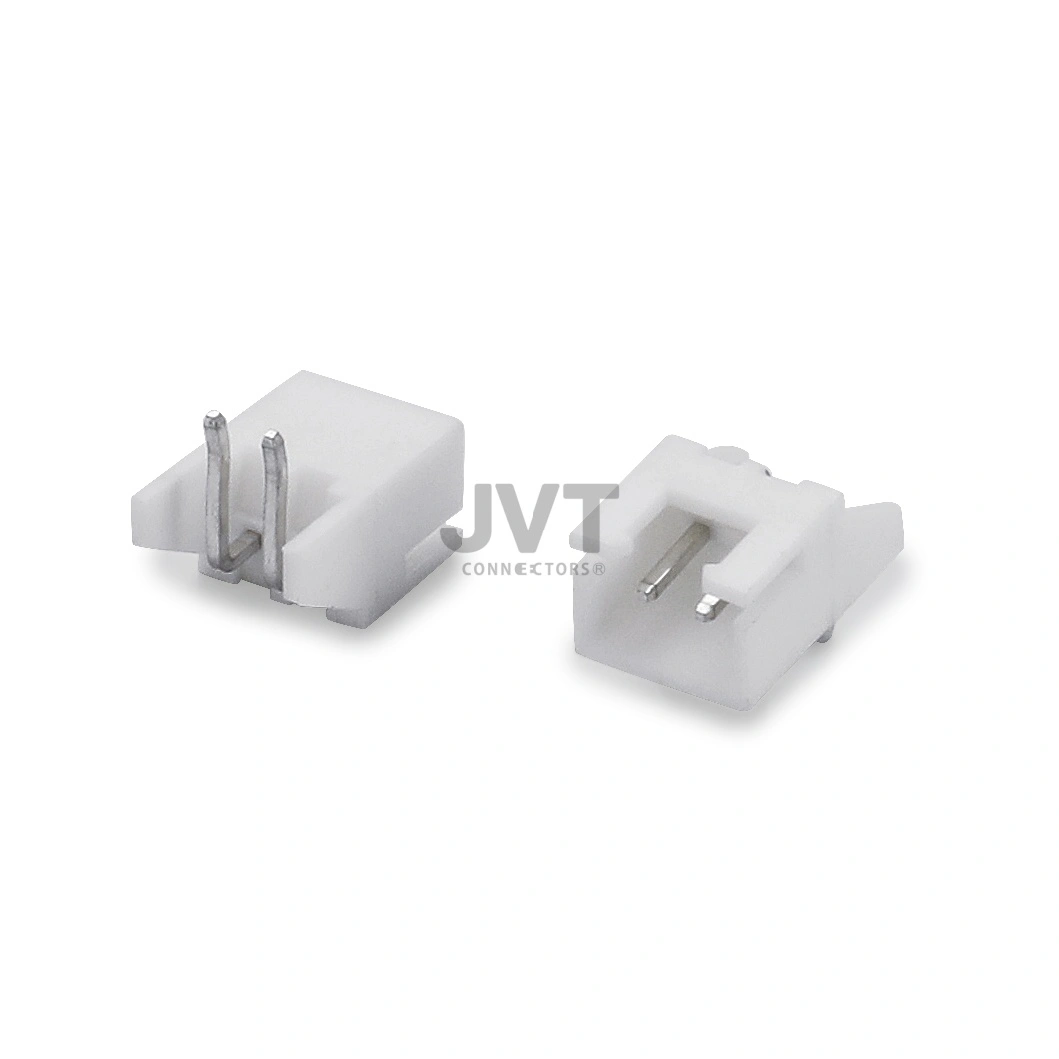
Top Factors to Consider When Selecting a Wire to Wire Connector
A comprehensive engineering guide to optimizing electrical connectivity, signal integrity, and mechanical durability in modern electronic systems.
Introduction to Wire-to-Wire Connectivity
In the intricate world of electronics and electrical engineering, the Wire to Wire Connector serves as a fundamental building block for distributing power and signals across complex systems. Whether it is in a sophisticated automotive wiring harness, a high-performance industrial robot, or a consumer appliance, the ability to join two discrete wires reliably is paramount. A Wire to Wire Connector is designed to provide a secure, often disconnectable, link between two wire-ended components, ensuring that the flow of current remains consistent even under conditions of vibration, thermal fluctuation, or mechanical stress. Choosing the wrong connector can lead to catastrophic system failure, high maintenance costs, and safety hazards. Therefore, understanding the nuances of selection is not just a technical requirement but a strategic necessity for any manufacturer aiming for long-term product reliability.
At JVT Connectors, we recognize that every application has unique demands. The diversity of our product line reflects the varying needs of global industries, from micro-pitch connectors used in handheld devices to high-current housings for power distribution. A well-selected Wire to Wire Connector minimizes voltage drops and prevents signal interference, which is increasingly critical as devices become smaller and more data-intensive. This article will delve deep into the technical parameters, environmental considerations, and mechanical features that engineers must evaluate to ensure they are integrating the most efficient connectivity solutions into their designs. By focusing on quality and precision, JVT Connectors continues to set industry standards for performance and durability.
Pitch and Housing Geometry Selection
One of the first physical constraints an engineer must address is the pitch of the Wire to Wire Connector. Pitch is defined as the distance from the center of one contact to the center of the next. In modern electronics, the trend toward miniaturization has driven the demand for smaller pitches, such as 1.00mm, 1.25mm, and 2.00mm. For instance, in compact consumer electronics or lithium battery packs, a small-pitch Wire to Wire Connector is essential to save PCB real estate and reduce the overall weight of the device. However, as the pitch decreases, the challenges of wire handling and current carrying capacity increase. Choosing a pitch that is too small for the required current can lead to overheating, while a pitch that is too large can make the final product unnecessarily bulky.
Beyond the numerical pitch, the housing geometry plays a vital role in the assembly process. The housing must provide adequate insulation between circuits to prevent shorting, especially in high-density configurations. Engineers must also consider the polarity and keying features of the housing. A superior Wire to Wire Connector will often feature physical keys that prevent accidental mismating, which is a common cause of damage during the manufacturing process or field repairs. JVT Connectors offers a wide array of housing styles, including those with secondary locking mechanisms like Terminal Position Assurance (TPA) and Connector Position Assurance (CPA). These features ensure that the terminals are fully seated and that the connectors remain mated even when subjected to intense physical force. Proper housing selection ensures that the Wire to Wire Connector can withstand the rigors of its specific operating environment without compromising the integrity of the electrical path.
Electrical Load and Signal Integrity Requirements
The electrical performance of a Wire to Wire Connector is dictated primarily by its current rating, voltage rating, and contact resistance. Current rating is perhaps the most critical specification; it indicates the maximum amount of current that can flow through the contact without exceeding the temperature limits of the connector materials. When selecting a Wire to Wire Connector, engineers must account for the ambient temperature and the number of circuits carrying current simultaneously. It is important to remember that as the number of active contacts increases, the maximum current per contact usually decreases due to heat accumulation within the housing. Failing to de-rate the connector properly can lead to plastic melting or contact oxidation over time.
Signal integrity is another significant factor, particularly for connectors used in data transmission. While many Wire to Wire Connector types are used for power, others must carry high-frequency signals with minimal loss or EMI interference. In these cases, the plating material of the contacts—typically tin, gold, or silver—becomes highly relevant. Gold plating is often preferred for low-voltage signal applications because it provides excellent corrosion resistance and maintains low contact resistance over thousands of mating cycles. Conversely, tin plating is a cost-effective solution for power applications where higher contact forces are used. JVT Connectors provides specialized solutions that balance these electrical needs, ensuring that every Wire to Wire Connector we produce meets or exceeds international standards for conductivity and safety. Engineers should always consult with our technical team to match the wire gauge (AWG) to the contact’s crimp specifications to ensure a gas-tight connection that prevents electrical failure.
Environmental Durability and Material Science
The environment in which a Wire to Wire Connector operates can be incredibly harsh. Factors such as moisture, dust, chemical exposure, and extreme temperature cycles must be evaluated during the selection phase. For outdoor applications or automotive engine compartments, a waterproof Wire to Wire Connector with an IP67 or IP68 rating is non-negotiable. These connectors use silicone seals and specialized housing designs to prevent ingress that could cause corrosion or short circuits. Without proper environmental sealing, even the most electrically sound connector will eventually fail when exposed to the elements. Therefore, the material used for the housing, such as PBT, Nylon 66, or LCP, must be selected based on its thermal stability and chemical resistance properties.
Temperature range is another environmental factor that is frequently overlooked. In industrial machinery or aerospace applications, a Wire to Wire Connector might be exposed to temperatures ranging from minus 40 degrees Celsius to over 105 degrees Celsius. The connector materials must remain flexible at low temperatures to prevent cracking and maintain their structural integrity at high temperatures to prevent terminal loosening. JVT Connectors utilizes high-grade engineering plastics and copper alloys that are specifically tested for environmental stress. Our connectors are designed to perform in high-vibration environments by utilizing positive locking latches that prevent accidental disconnection. When you select a JVT Wire to Wire Connector, you are choosing a component that has been rigorously tested against salt spray, humidity, and thermal shock, ensuring a long service life regardless of the operational challenges.
Mechanical Performance and Assembly Efficiency
The ease of assembly and mechanical robustness are key factors in reducing the total cost of ownership for a Wire to Wire Connector. Crimp technology is the industry standard for securing wires to contacts within these connectors. A high-quality crimp ensures a mechanical bond that is stronger than the wire itself, providing excellent electrical conductivity. During the selection process, engineers should consider whether the Wire to Wire Connector is compatible with automated crimping machinery or if it requires specialized hand tools. For high-volume production, connectors that support high-speed automated termination are essential for maintaining manufacturing efficiency and consistency. JVT Connectors provides comprehensive crimping specifications and support for all our terminal series to ensure our clients achieve the best possible results on their assembly lines.
Furthermore, the mating and unmating forces of the connector should be analyzed. In applications where maintenance is frequent, a Wire to Wire Connector with a user-friendly locking mechanism that provides tactile and audible feedback upon successful mating is highly desirable. This reduces the risk of partial mating, which can lead to intermittent signal loss or arcing. Conversely, in permanent installations, a high-retention force may be required to ensure the connector never vibrates loose. The mechanical design of JVT's Wire to Wire Connector systems includes ergonomic features that assist workers in high-paced assembly environments, preventing fatigue and assembly errors. By focusing on the mechanical interaction between the male and female housings, JVT Connectors ensures that the electrical connection remains stable throughout the life of the product.
Why JVT Connectors is Your Ideal Partner
As a leading manufacturer in the connector industry, JVT Connectors (Dongguan Qiaoye Electronics Co., Ltd.) has dedicated over a decade to the research, development, and production of high-precision connectivity solutions. Our expertise spans across various sectors, including 3C electronics, automotive systems, and industrial automation. When you choose a Wire to Wire Connector from JVT, you are not just buying a component; you are gaining access to a comprehensive engineering support system. We pride ourselves on our ability to provide domestic substitutes for international brands, offering the same level of reliability and performance at a more competitive price point. Our factory is equipped with state-of-the-art testing laboratories where we verify the quality of every batch of Wire to Wire Connector products we ship.
We offer an extensive range of products to meet any design challenge. For those requiring larger pitch power solutions, our 4.20mm Pitch Series provides robust current handling. For compact designs, our 2.00mm Pitch Connectors and 1.25mm Pitch Wire to Wire solutions are industry favorites. Whether you are looking for information about us or need to contact us for a custom design, JVT Connectors is committed to delivering excellence. Our products are widely used in lithium battery systems, smart home appliances, and medical devices, proving our versatility and commitment to quality in the global market.
Conclusion
In conclusion, selecting the right Wire to Wire Connector is a multi-faceted process that requires a deep understanding of electrical requirements, environmental factors, and mechanical constraints. By carefully evaluating pitch, current capacity, sealing needs, and material properties, engineers can ensure their systems operate reliably for years to come. JVT Connectors remains at the forefront of this technology, providing the innovation and manufacturing excellence required to meet the demands of tomorrow's electronic landscape. As devices continue to evolve, the importance of high-quality connectivity will only grow, and JVT is ready to provide the solutions that drive this progress. Trust in our experience and technical precision to ensure your next project is a success.
Frequently Asked Questions
Q1: What is the primary advantage of using a crimp-style Wire to Wire Connector?
The primary advantage of a crimp-style Wire to Wire Connector is its ability to create a high-strength, low-resistance mechanical and electrical bond without the use of heat or solder. This method is highly consistent and can be easily automated for high-volume production, ensuring that each Wire to Wire Connector in a system performs identically.
Q2: How do I determine the correct pitch for my Wire to Wire Connector application?
To determine the correct pitch, you must balance the available space in your device with the required current rating. Smaller pitches like 1.00mm are used for signal transmission in tight spaces, while larger pitches like 4.20mm or 6.35mm are necessary for high-current applications. JVT Connectors offers a variety of sizes to fit any requirement.
Q3: Can a Wire to Wire Connector be used in waterproof environments?
Yes, but you must select a specifically designed waterproof Wire to Wire Connector. These versions feature internal seals and O-rings that prevent water from entering the contact area. Look for an IP67 rating or higher if your application will be exposed to rain or submersion.
Q4: What materials are commonly used for Wire to Wire Connector housings?
Common materials include high-performance plastics like Nylon 66, PBT, and LCP. These materials are chosen for their excellent insulation properties, thermal resistance, and ability to withstand mechanical stress during the mating process of the Wire to Wire Connector.
Q5: How does JVT Connectors ensure the quality of its Wire to Wire Connector products?
JVT Connectors employs a rigorous quality control process, including salt spray testing, vibration testing, and thermal cycling. Our factory is certified to international standards, ensuring that every Wire to Wire Connector we manufacture provides a stable and reliable connection for our global customers.
JVT Connectors - Professional Connectivity Solutions
Email: jvt@jvtcn.cn | Web: www.jvtcn.cn