

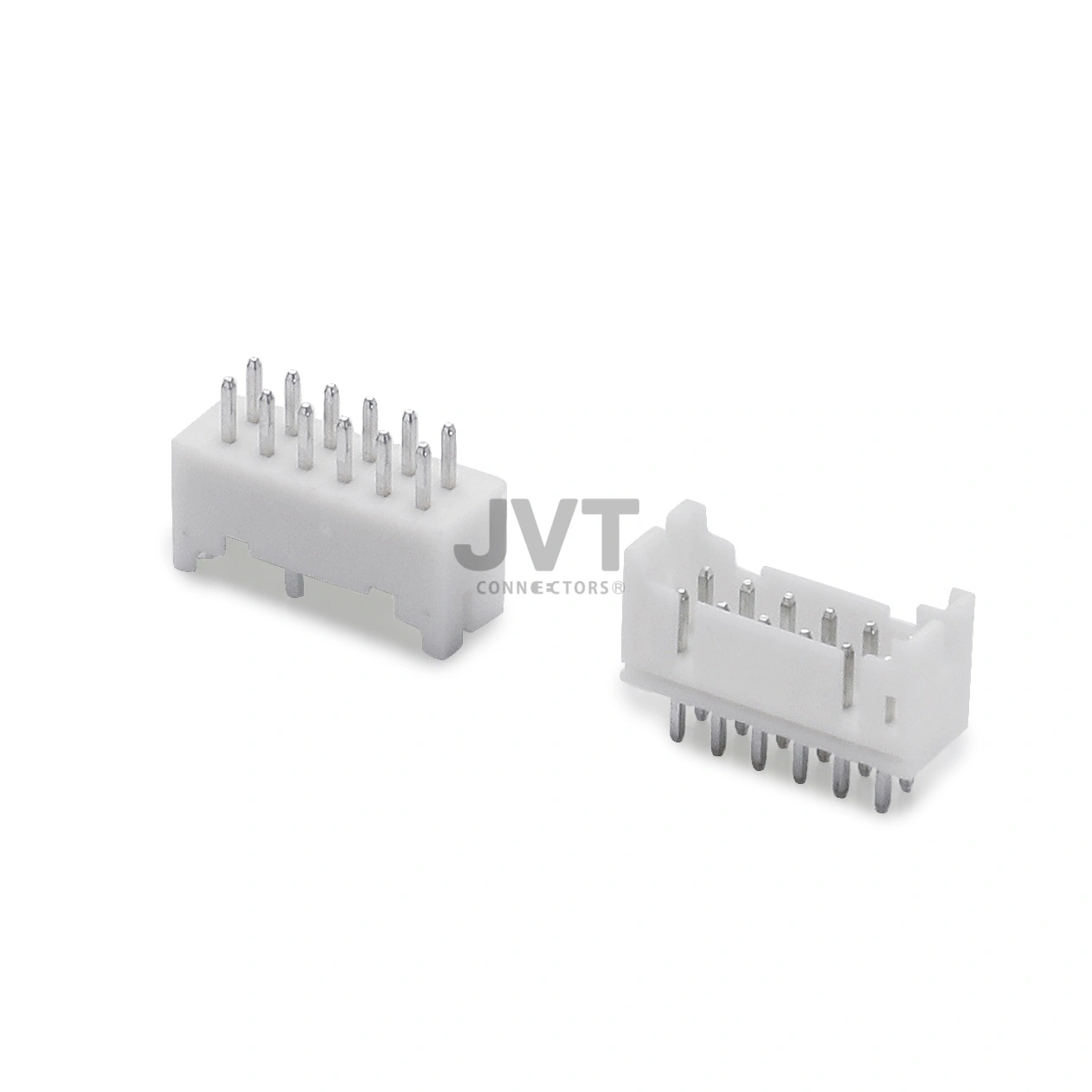
Wire to Wire Connector Types: A Complete Overview for Engineers and Buyers
In the complex landscape of electrical engineering, the Wire to Wire Connector serves as a fundamental building block for signal and power transmission across various industries. Whether you are designing automotive harnesses or consumer electronics, understanding the nuances of these components is critical for system reliability.
Introduction to Wire to Wire Interconnects
A Wire to Wire Connector is an electrical component designed to join two wire-terminated cables together. Unlike wire-to-board solutions that interface with a PCB, these connectors facilitate a mobile and flexible connection that can be easily disconnected for maintenance or modular assembly. In modern manufacturing, the demand for compact yet robust connectors has led to significant innovations in materials and locking mechanisms. JVT Connectors has been at the forefront of this evolution, providing high-performance solutions that meet global standards for durability and electrical integrity. Selecting the right connector involves more than just matching pin counts; it requires a deep dive into environmental factors, current-carrying capacities, and mechanical stability requirements.
Engineers must consider the environment in which the Wire to Wire Connector will operate. In high-vibration settings like industrial robotics or automotive engines, a standard friction-fit connector may fail. This is why advanced locking features, such as positive inertia locks or Terminal Position Assurance (TPA) systems, are vital. At JVT Connectors, we specialize in engineering parts that withstand these stresses, ensuring that every connection remains secure throughout the product lifecycle. From microscopic pitches of 0.60mm for handheld devices to heavy-duty 6.35mm pitches for power modules, the diversity of types allows for precise application tailoring.
Detailed Breakdown of Pitch and Specifications
One of the most defining characteristics of a Wire to Wire Connector is its pitch. Pitch refers to the distance between the center of one contact pin and the center of the adjacent pin. For compact electronics, a small pitch like the 1.00mm or 1.25mm series is common. These small-scale connectors are often used in lithium battery management systems (BMS) and smart home devices where space is at a premium. Conversely, for power-heavy applications, a larger pitch like 3.96mm or 4.20mm is necessary to prevent electrical arcing and manage heat dissipation effectively. JVT Connectors offers an extensive range of pitch options to ensure that engineers don't have to compromise on size or safety.
Beyond pitch, the "crimp style" is the most prevalent termination method for these connectors. Crimping involves using a specialized tool to deform a metal terminal around a stripped wire, creating a gas-tight mechanical and electrical bond. This method is preferred over soldering in many industrial applications because it offers better strain relief and vibration resistance. High-quality crimp terminals, such as those found in JVT Connectors' product line, are often plated with gold or tin to enhance conductivity and prevent corrosion. When choosing a Wire to Wire Connector, buyers must also evaluate the wire gauge (AWG) compatibility, as using a terminal too large or small for the wire can lead to premature failure or high electrical resistance.
Strategic Selection for Engineers and Buyers
When sourcing a Wire to Wire Connector, buyers often prioritize cost, while engineers prioritize performance. The goal is to find a balance where reliability is guaranteed without excessive over-engineering. For example, in consumer electronics, a simple friction-lock connector might suffice, but for medical equipment or aerospace, the requirements are vastly different. Factors such as "mating cycles"—the number of times a connector can be plugged and unplugged before the contact resistance increases—become a key metric. JVT Connectors designs components that exceed standard industry mating cycle requirements, providing peace of mind for long-term deployments.
Another strategic consideration is the housing material. Most high-grade Wire to Wire Connector housings are made from nylon or thermoplastic polyester with UL94V-0 flammability ratings. This ensures that in the event of an electrical fault, the connector housing will not contribute to the spread of fire. Furthermore, for outdoor or marine applications, ingress protection (IP) ratings are crucial. Waterproof versions of wire-to-wire systems utilize silicone seals and specialized back-shells to keep moisture and dust away from the sensitive contacts. JVT Connectors provides customized solutions for these harsh environments, ensuring that the electrical signal remains pristine even in sub-optimal conditions.
Quantifiable Benefits of High-Quality Connectors
Integrating a premium Wire to Wire Connector into your design offers measurable benefits in assembly speed and field reliability. For instance, connectors featuring "polarized housings" prevent incorrect mating, which significantly reduces the risk of short circuits during mass production. This "Poka-Yoke" approach to design saves manufacturers thousands of dollars in potential rework and warranty claims. Additionally, the use of high-conductivity alloys in JVT Connectors leads to lower voltage drops across the system, improving energy efficiency in battery-powered devices where every milliwatt counts.
Furthermore, the modularity provided by a robust Wire to Wire Connector simplifies the supply chain. Instead of manufacturing a single, monolithic wiring harness, companies can create sub-assemblies that are joined together at the final stage of production. This flexibility allows for easier upgrades and localized repairs. By partnering with a specialized manufacturer like JVT Connectors, OEMs can access tailored engineering support to optimize their harness designs for weight reduction and signal integrity, which are critical in the transition toward electric vehicles (EVs) and advanced avionics.
About JVT Connectors
JVT Connectors is a professional manufacturer dedicated to providing precision connectivity solutions for the global market. With years of expertise in the electronic component industry, we offer a comprehensive catalog ranging from wire to board connectors to specialized wire to wire crimp style systems. Our commitment to quality is backed by rigorous testing protocols and international certifications, ensuring that our products meet the highest standards of safety and performance.
Our advantage lies in our ability to provide customized solutions and localized substitution for imported connectors, helping our clients reduce costs without sacrificing reliability. We invite you to explore our extensive product range, including our 2.00mm pitch series and 4.20mm pitch series. Whether you are looking for standard parts or bespoke designs, our team at JVT Connectors is ready to support your engineering journey.
Frequently Asked Questions
Q1: What is the main advantage of using a Wire to Wire Connector over direct soldering?
The primary advantage is modularity and ease of maintenance. A Wire to Wire Connector allows for sub-assemblies to be disconnected and replaced without specialized tools. It also provides better strain relief for the wires compared to a rigid solder joint, which can crack under vibration.
Q2: How do I choose the correct pitch for my Wire to Wire Connector application?
Choosing the pitch depends on your space constraints and electrical requirements. Smaller pitches (e.g., 1.00mm to 1.50mm) are ideal for low-current signal transmission in compact devices. Larger pitches (e.g., 3.00mm to 6.35mm) are better suited for higher voltage and current applications where physical isolation between contacts is necessary.
Q3: Are JVT Wire to Wire Connector products compatible with standard crimping tools?
Yes, JVT Connectors are designed to adhere to industry-standard dimensions, making them compatible with most professional-grade crimping equipment. However, for optimal performance and a gas-tight seal, we recommend using the specific applicators or hand tools designed for our terminal series.
Q4: Can a Wire to Wire Connector be used in automotive environments?
Absolutely. However, you must select models that feature locking mechanisms to prevent accidental disconnection due to road vibrations. JVT Connectors offers several high-reliability series specifically engineered for automotive sensors and internal electronics.
Q5: How does a Wire to Wire Connector handle environmental moisture?
Standard connectors are for dry use, but waterproof versions are available. These utilize rubber grommets and seals to achieve IP67 or IP68 ratings. JVT Connectors provides various sealed options for applications exposed to water, dust, or harsh chemicals.
Conclusion
Selecting the right Wire to Wire Connector is a strategic decision that impacts the longevity and safety of your electrical systems. By understanding the technical specifications and partnering with an expert manufacturer like JVT Connectors, you can ensure high-performance connectivity for any project. Trust in our quality components to power your innovations and streamline your production processes.